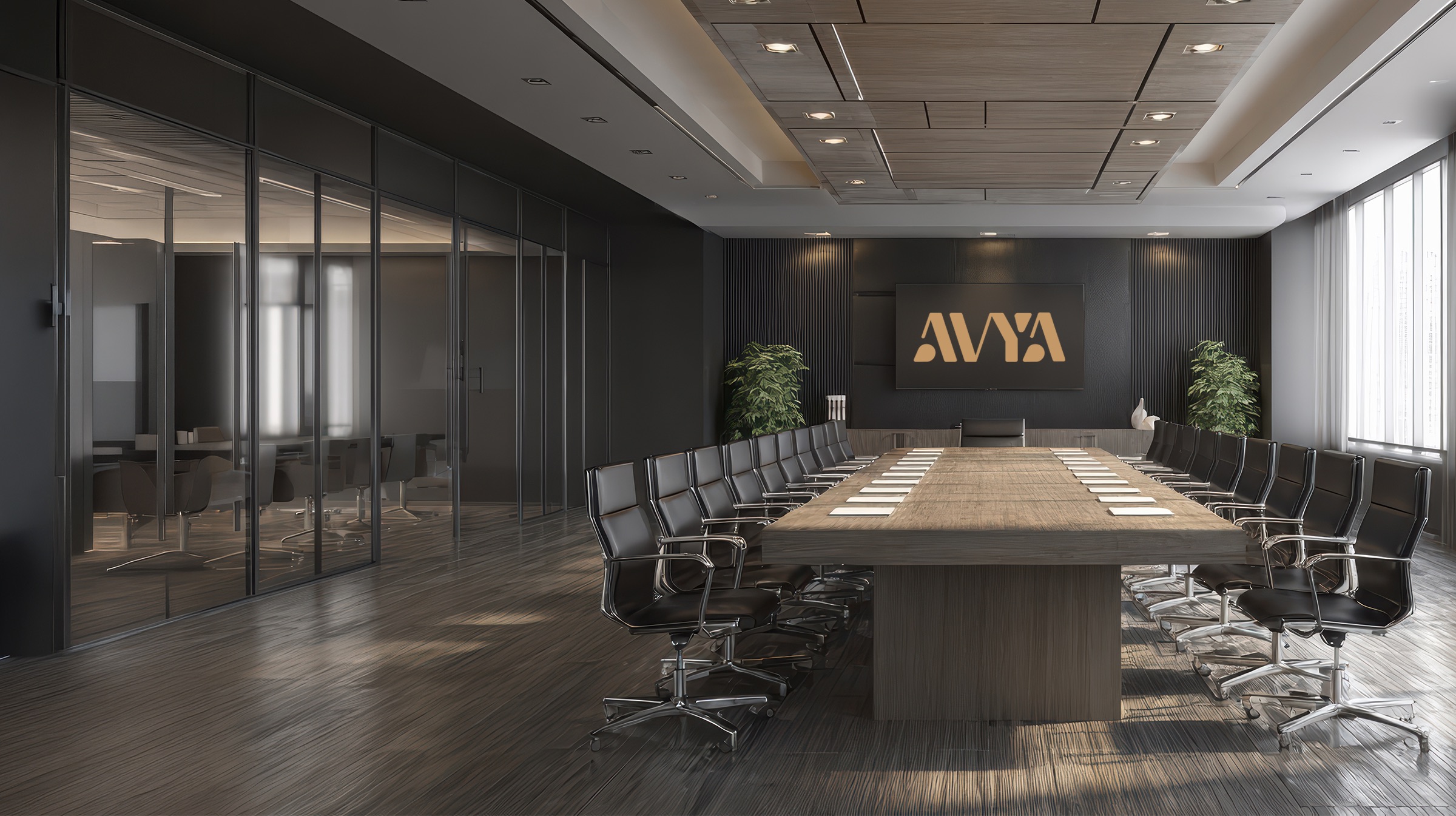
I've always found it strange that we spend more time picking a coffee machine for the office pantry than we do figuring out what a meeting room is actually meant to achieve. One gets a taste test. The other gets a rushed decision squeezed in after everything else is already built.
It's a small comparison, but it points to something I've seen play out on a much bigger scale across dozens of projects. After 18 years working in technology, the last 15 of them deep in AV and workplace systems across the GCC, I've come to believe the single most avoidable mistake in this industry has nothing to do with product choice or budget. It's timing.
The region has given me a front-row seat to some of the most ambitious workplace builds anywhere, and if there's one thread running through every project that actually worked, it's this: the groundwork gets laid long before anyone opens a product catalog.
Technology Stopped Being an IT Problem a While Ago
Ten or fifteen years back, technology decisions mostly sat with the IT department. They picked the gear, ran the cables, and everyone else adjusted around it. That arrangement doesn't hold anymore.
A meeting room now shapes how a team collaborates. A workplace layout affects retention, morale, and how people actually spend their day. Technology has quietly moved from being a support function to being part of the culture and design of the workplace itself.
The projects that go smoothly are the ones where this shift gets acknowledged early, and where the people making decisions extend well beyond the IT team.
Early Planning Beats Clever Planning
If I had to boil down every lesson from the past decade and a half into one sentence, it would be this: technology can't be the last thing you think about.
Too many projects bring in the technology conversation after the architecture is locked, the interiors are chosen, and the budget is mostly spent. By that point, every technology decision becomes a workaround. Screens get squeezed into spaces that weren't built for them. Cabling gets routed around finished walls. Costs creep up not because the technology was wrong, but because it arrived too late to matter.
The projects I'd point to as genuine successes all share one habit: technology planning starts at the same table as workplace planning, not after it. When architects, interior designers, workplace consultants, and technology advisors are in the room together from day one, the outcome feels designed rather than assembled.
The Best Projects Are Never a Solo Act
Something I've learned the hard way over the years in the GCC: technology projects are never really about the technology.
They're about getting a room full of different disciplines to agree on the same goal before anyone touches a spec sheet. Business leaders, workplace strategists, architects, interior designers, IT teams, and AV consultants all see a project differently, and that's exactly the point. The friction between those perspectives, handled well, produces better decisions than any single expert working alone ever could.
The strongest outcomes I've seen were never driven by one dominant voice. They came from a genuine back-and-forth between people who didn't automatically agree with each other.
Start With the Question, Not the Product
Here's a trap I still see experienced teams fall into: the conversation starts with a product name instead of a problem.
Someone wants a particular brand of display, or a specific room booking platform, before anyone has answered the more basic questions. How do people actually work together in this space? What outcome are we trying to create? What does the business need this room, floor, or building to do for it?
That single shift, from "what should we install" to "what do we actually need this to achieve", changes almost everything downstream. It reshapes room layouts, infrastructure choices, and how systems get used once the ribbon is cut.
It also helps to answer that question before any vendor is in the room. Scoping the need independently, without a product or brand already in mind, keeps the requirements honest. The specification ends up shaped by what the business actually needs, and vendors are brought in afterward to compete against that, rather than the other way around.
Don't Plan for Perfect, Plan for Change
Workplaces don't hold still. Hybrid schedules, new expectations, and technology that improves every eighteen months mean that whatever gets installed today will need to flex tomorrow.
I stopped trying to design the "perfect" system a long time ago, because perfect has an expiration date. What I aim for instead is a setup that can grow, get upgraded, or be reconfigured without tearing everything out and starting over. The organizations that build that kind of flexibility into their plans from the start are the ones that aren't scrambling three years later.
People First, Always
For all the advances in workplace technology over the past two decades, the most important lesson hasn't changed at all: technology exists to serve people, not the other way around.
The best systems are the ones nobody notices, because they just work. When people can focus on the conversation instead of the remote control, the technology has done its job. That kind of simplicity is never accidental. It comes from understanding the people, the space, and the business need long before any equipment gets ordered.
Looking Back, Looking Ahead
The GCC remains one of the most exciting places in the world to build workplaces, and the pace of investment here shows no sign of slowing down.
After 18 years in technology and 15 of them focused on AV, my biggest takeaway hasn't really changed since I started: technology doesn't build great workplaces on its own. Thoughtful planning, genuine collaboration, and a real understanding of people do that. Everything else is just equipment.