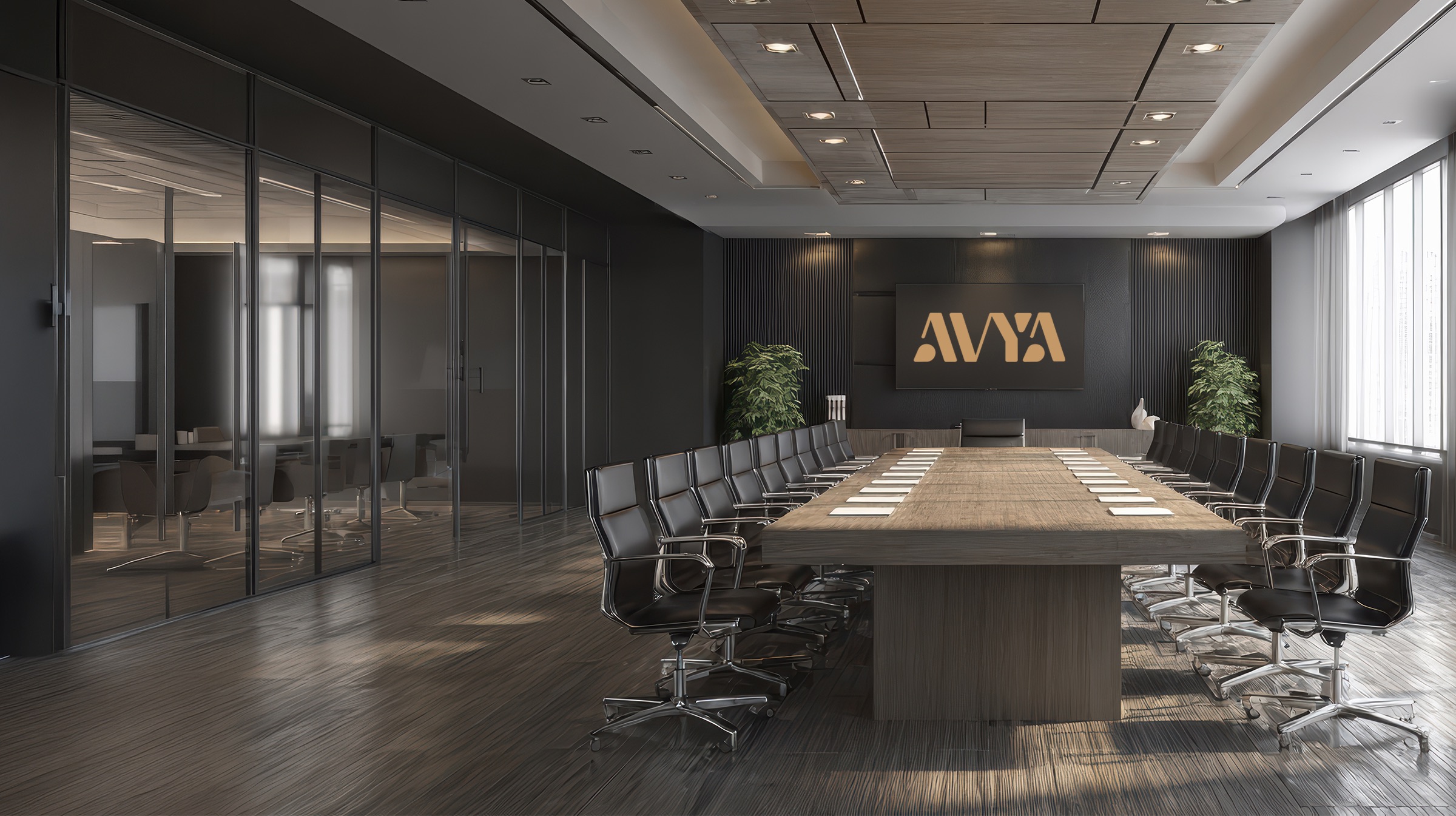
After eighteen years in technology, including the last fifteen working in AV across the GCC, I've seen workplace technology evolve in remarkable ways.
I've seen ambitious workplaces come to life, meeting rooms become collaboration hubs, and technology changes how people communicate, work, and connect.
But I've also noticed a recurring challenge.
It rarely begins with the technology itself. It begins when technology enters the conversation.
And that is the gap AVYA was created to address.
1. The Technology Is Available. The Thinking Often Comes Later.
Organisations today have access to more workplace technology than ever before. Collaboration platforms, meeting room systems, digital workplace tools, smart technologies, and communication solutions are all readily available.
But having options is not the same as having the right solution.
Think of it like designing a kitchen. You wouldn't choose every appliance first and then ask the architect to figure out where the walls should go. You would consider how the space will be used, what needs to fit, and what the people using it actually need.
Workplace technology deserves the same thought.
Yet, in many projects, technology planning begins only after major decisions around design, construction, infrastructure, and space have already been made.
By then, the question is no longer, "What could this workplace enable?"
It becomes, "How do we make this work with what we already have?"
That shift can make a significant difference.
2. When Everyone Has a Different Piece of the Puzzle
A workplace project brings together many important stakeholders:
- Architects think about the space.
- IT teams think about infrastructure.
- Business leaders think about objectives.
- Contractors think about delivery.
- Technology vendors think about solutions.
Everyone has a role. The challenge is making sure those roles connect.
When conversations happen in isolation, technology can become fragmented. A meeting room may look impressive but be difficult to use. A system may work technically but fail to support how employees actually collaborate.
The technology may be doing its job. The workplace, unfortunately, may not be.
The goal is not to give every stakeholder a separate answer. It is to create one connected outcome.
3. Start With the Problem, Not the Product
One of the most common starting points in workplace technology is: "What equipment do we need?"
But that may not be the most useful first question.
A better starting point is:
- What are we trying to achieve?
- How do people work and collaborate?
- What should the workplace make easier?
- What challenges are employees and teams facing?
- What does the business need the technology to enable?
The difference is simple, but important.
If a business wants better hybrid collaboration, the answer may not be "buy more screens." If employees struggle to use meeting rooms, adding more equipment may not solve the real issue.
Sometimes, the right solution is a new system. Sometimes, it is a better integration. Sometimes, it is a simpler setup.
More technology is not always the answer. Better-aligned technology often is.
4. The Hidden Cost of Thinking About Technology Too Late
Late technology planning can create costs that are not always visible on a budget sheet.
- A design may need to be changed.
- Infrastructure may need to be reworked.
- Equipment may no longer fit the intended space.
- Systems may become more expensive to integrate.
- Employees may end up with technology they find difficult to use.
And then there is the cost that is harder to measure: frustration.
A meeting room that takes ten minutes to get started. A system employees avoid because it feels complicated. A workplace that looks future-ready but does not quite work in the present.
These are not necessarily technology failures. They are often planning failures.
When technology is considered early, decisions can be proactive. When it is considered late, they often become expensive corrections.
5. Why AVYA Exists
AVYA was created to help close the gap between workplace design, business objectives, and technology planning.
Our role is to help organisations make informed decisions about the technology their workplaces actually need — not simply recommend products because they are available.
That is where our independent scoping approach comes in.
- We assess the project's requirements.
- We understand the intended business and workplace outcomes.
- We recommend the products or services that best fit those requirements.
- We focus on what the project needs, rather than what someone needs to sell.
The recommendation should serve the project — not the other way around.
We hold no commercial interest in the equipment we specify. No reseller agreements, no sales quotas, and no margin tied to what we recommend.
This allows the conversation to remain focused on what matters: the workplace, its people, and the outcomes it needs to deliver.
6. A Consultancy-First Approach
AVYA works with architects, consultants, designers, project teams, and business leaders to bring technology into the conversation at the right stage.
That means:
- Asking the important questions early.
- Identifying requirements before decisions are locked in.
- Helping technology integrate into the wider workplace strategy.
- Ensuring technology supports the way people actually work.
Because technology should not feel like something added to a workplace at the last minute.
It should feel like it belonged there from the beginning.
7. Looking Ahead
Workplaces will continue to evolve. The way people collaborate will change. New technologies will emerge. Organisations will continue to rethink how their spaces support productivity, communication, and employee experience.
But one principle will remain relevant: the best technology outcomes begin with strategy, planning, and purpose.
That is the problem AVYA was created to solve.
Not a shortage of technology. But the gap between technology, people, and workplace vision.
Because the right technology does more than fill a room.
It helps the room fulfil its purpose.