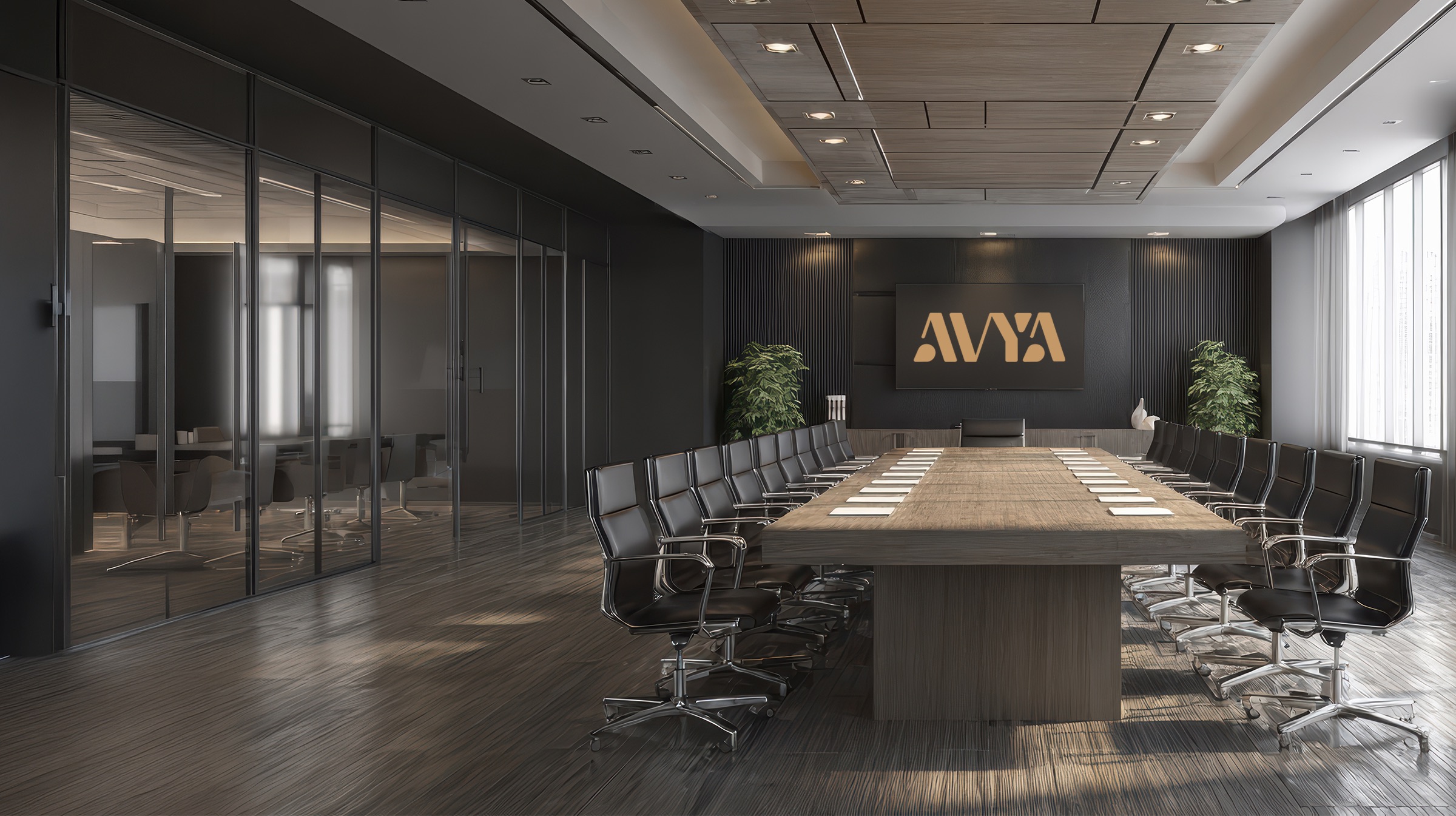
Over the last two decades, the GCC has become one of the world's most dynamic regions for growth, innovation, and transformation.
From ambitious developments and smart cities to world-class workplaces and digital transformation initiatives, organisations across the region are redefining how people work, collaborate, and connect.
Having spent eighteen years in the technology industry, including the last fifteen working in AV across the GCC, I've witnessed how workplace technology has evolved from a supporting function into a strategic business enabler.
What was once viewed as infrastructure is now influencing employee experience, productivity, workplace culture, and organisational performance.
But I believe we are only at the beginning of what is possible.
The future of workplace technology is not simply about adopting more systems. It is about creating workplaces where technology works so naturally that people can focus on what matters.
That is the vision that drives AVYA.
1. The Workplace Is Being Reimagined
The workplace of today looks very different from the workplace of a decade ago.
- Hybrid work has changed how teams collaborate.
- Employee expectations have evolved around flexibility and experience.
- Organisations are placing greater focus on productivity, wellbeing, and operational efficiency.
- Technology now plays a central role in all these conversations.
A meeting room is no longer just a room with a display.
An office is no longer simply a place where people sit and work.
The modern workplace is an ecosystem designed to support communication, collaboration, creativity, and connection.
Yet, many organisations still approach workplace technology as a collection of separate systems rather than as part of a larger workplace strategy.
Our vision is to help change that.
Technology should not be an add-on considered at the end. It should be part of the workplace experience from the very beginning.
2. From Technology-Centric to People-Centric
One of the biggest opportunities we see in the GCC is moving beyond technology for technology's sake.
For years, workplace technology conversations have often focused on equipment, platforms, and specifications. These elements matter, but they should not be the starting point.
The starting point should be people.
- How do employees collaborate?
- How do teams communicate across locations?
- What makes a workplace easier to use?
- How can technology support productivity and wellbeing?
- Where is technology creating friction instead of removing it?
These questions are more valuable than discussing hardware alone because they focus on the people who use the workplace every day.
Think about a meeting room. Its success is not determined by how many devices are inside it. It is determined by how easily people can walk in, connect, collaborate, and get on with their work.
Our vision is to create workplaces where technology feels intuitive, natural, and aligned with the way people work.
The best technology experience is often the one people do not have to think about.
3. Technology Planning Must Start Earlier
Throughout my career, I've seen organisations invest heavily in workplace design and construction, only to introduce technology considerations much later in the process.
This can lead to compromises, redesigns, delays, and missed opportunities.
When technology enters the conversation too late, teams are often forced to work within limitations that could have been avoided through earlier planning.
Technology should influence workplace planning, not simply react to it.
Our vision is to see technology planning become a standard part of workplace strategy from day one.
When architects, designers, consultants, business leaders, and technology advisors collaborate early:
- Workplace objectives and technology requirements align more effectively.
- Coordination becomes smoother.
- The risk of costly redesigns is reduced.
- Workplaces become more adaptable.
- Technology can contribute greater value to the overall project.
The earlier technology becomes part of the conversation, the more possibilities it can help create.
4. Future-Ready Workplaces Require Flexibility
The pace of change is accelerating.
New collaboration tools, AI-driven technologies, evolving work models, and changing employee expectations are continuously reshaping the workplace.
What works today may need to evolve tomorrow.
No organisation can predict every future requirement. But it can build flexibility into its workplace strategy.
At AVYA, we believe future-ready workplaces are not necessarily those with the most advanced technology. They are the ones designed to adapt.
That means considering:
- Changing workforce needs.
- Business growth and evolving operations.
- New ways of working.
- Emerging technologies.
- The ability to upgrade or adapt without starting from scratch.
A workplace should not need a complete rethink every time the way people work changes.
The goal is not to predict the future perfectly. It is to be prepared for it.
5. Independent Advisory Will Become Increasingly Important
As workplace technology ecosystems become more complex, organisations will need trusted advisors who can help them navigate decisions objectively.
The challenge is no longer a lack of options. The challenge is knowing which options actually make sense for the organisation.
Every platform promises innovation. Every vendor claims to have the right solution. But the newest or most feature-rich technology is not always the best fit.
The right answer is the one that supports the organisation's objectives, people, and workplace strategy.
This is why AVYA believes independent, consultancy-led advice will become increasingly important.
Our independent scoping approach focuses on understanding project requirements and recommending the products or services that genuinely fit those needs.
The recommendation should serve the project — not a product sales agenda.
Organisations deserve advice that prioritises outcomes, suitability, and long-term value over short-term trends.
6. Supporting the GCC's Next Generation of Workplaces
The GCC has consistently demonstrated a willingness to embrace innovation and think beyond conventional approaches.
From large-scale developments and smart city initiatives to digital transformation programmes and future-focused workplaces, the region continues to set ambitious goals for what the future can look like.
Technology will play an increasingly important role in achieving those ambitions.
Our vision is to contribute to that journey by helping organisations:
- Make smarter technology decisions.
- Align stakeholders more effectively.
- Plan technology earlier.
- Create workplace experiences that support the people who use them.
- Build environments that can evolve with changing needs.
Because successful workplaces are not defined by the technology they contain. They are defined by the experiences that technology helps create.
7. Looking Ahead
At AVYA, we do not see workplace technology as a collection of systems.
We see it as a way to enable better experiences, stronger collaboration, and more successful organisations.
Our vision for the GCC is simple:
- A future where workplace technology is planned strategically, integrated seamlessly, and designed around people — not products.
- A future where technology is considered early, implemented thoughtfully, and aligned with business objectives from the beginning.
- A future where workplaces empower people to do their best work, wherever they are and however they collaborate.
Because the best workplaces of tomorrow will not be defined by the technology they contain.
They will be defined by how effectively that technology helps people work, connect, innovate, and succeed.