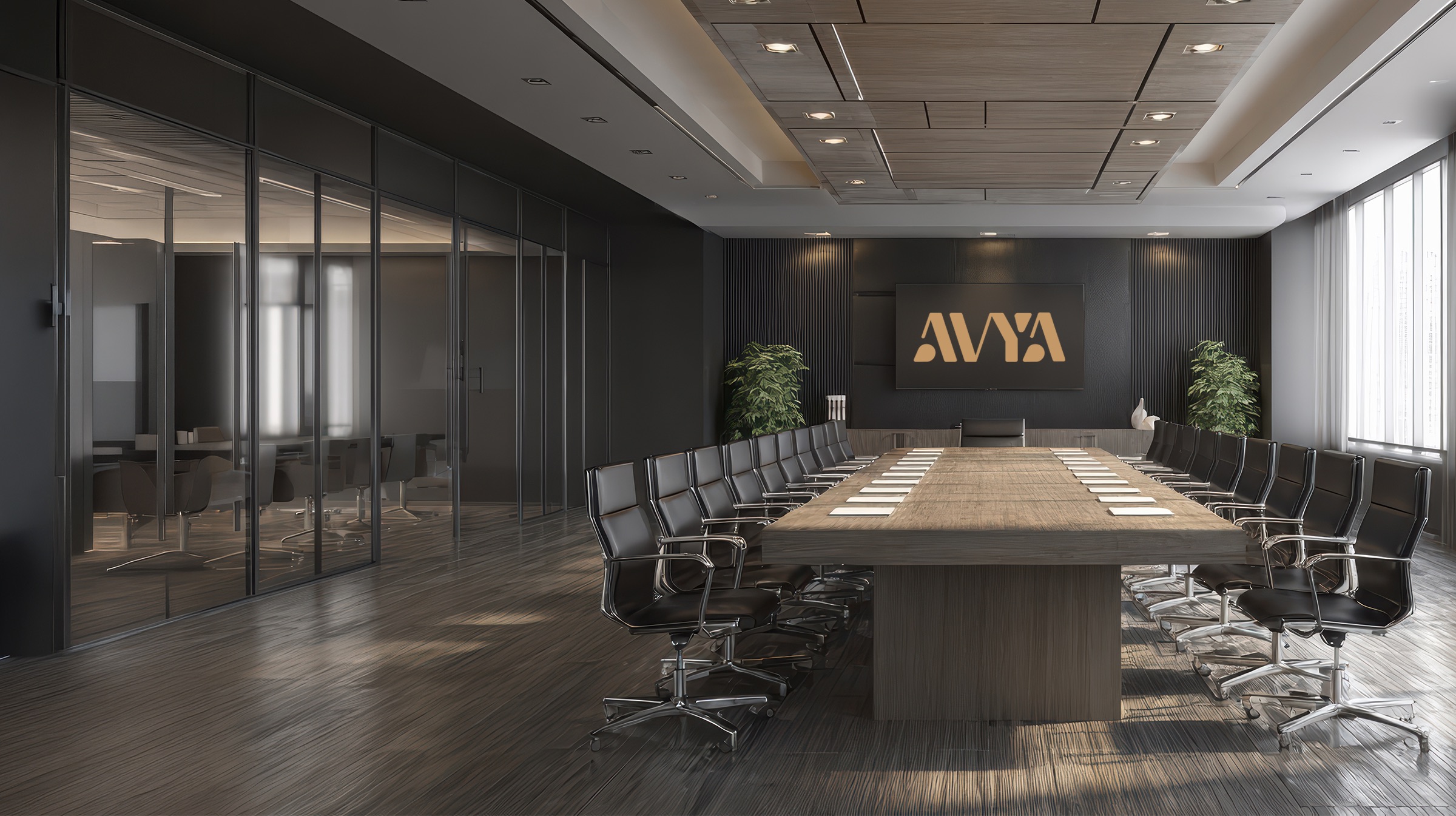
Most organisations evaluate workplace technology on two criteria: cost and whether it works. That's a reasonable starting point. It's also where most of the value gets left on the table. The real return on a workplace technology investment is shaped by decisions made before any equipment is purchased. Decisions about when consultants enter the project, how systems are specified, and whether technology is designed into the space or retrofitted around it. Get those decisions right, and the financial case is strong. Get them wrong and the costs, many of them invisible, accumulate for years.
What Organisations Typically Miss
The standard project evaluation looks at budget versus delivery. It rarely accounts for what happens in the 12 to 36 months after handover. That's when the real picture emerges. Support calls that spike because systems are complicated to operate. Meeting rooms that get avoided because the technology is unreliable. Signage networks that go stale because nobody can update them without IT. Visitor management processes that revert to paper because the system wasn't designed around the people using it. None of these show up in a project budget. All of them affect operational cost and workplace performance.
Where the Returns Actually Come From
Early involvement saves money before a single product is specified
When a technology consultant enters a project alongside the architect and fit-out team, infrastructure requirements are built into the design from the start. Conduit routes, power provisions, ceiling treatments, data points and wall placements are resolved on paper, not on site.
When technology is considered only after fit-out is complete, organisations pay to install workarounds and then pay again to fix them. In the Middle East, where commercial and hospitality fit-out costs are significant, this early involvement delivers direct and measurable savings.
Vendor neutral specification means the right system, not the available one
Organisations that rely on vendors to specify their technology are, by definition, choosing from a limited menu. The result is often systems that work in isolation but don't integrate well, or products that suit the vendor's margin rather than the client's requirements.
Independent specification, with no commercial ties to hardware suppliers, produces a brief that reflects actual operational needs. That means better system performance, fewer integration problems, and lower total cost of ownership over time.
Adoption drives return
A meeting room system that requires three steps to start a call will be avoided. A digital signage network that needs IT involvement every time content changes will be ignored. A wayfinding solution that staff find confusing will be bypassed entirely.
Adoption failure is one of the most common and least-discussed costs in workplace technology. When systems are designed around how people actually work, utilisation rises and the investment delivers what it was meant to.
The right infrastructure scales with the organisation
Many organisations across the GCC are growing. New offices, expanded teams, regional headquarters upgrades. Technology planned without scalability in mind becomes a constraint the moment growth happens.
Infrastructure that accounts for future requirements from the start avoids forced replacements. That's not a minor consideration. It's the difference between a five-year asset and a three-year problem.
High-stakes spaces carry commercial weight
In the Gulf market, the quality of a business environment shapes how clients, partners, and senior visitors form impressions. A reception experience that works seamlessly, a boardroom that connects on the first attempt, digital signage that reflects the brand accurately: these details communicate professionalism before any conversation begins.
For organisations competing for significant contracts or positioning themselves as regional leaders, the workplace environment is a commercial asset. It deserves the same level of planning as any other client-facing function.
The Question Worth Asking
Before the next workplace technology project goes to a vendor for a quote, it is worth asking a more fundamental question: has the right expertise been involved early enough to shape what gets specified in the first place?
The organisations seeing the strongest returns from their workplace technology investments are not necessarily spending more. They are planning better, earlier, and with the right advice guiding decisions before they become difficult or expensive to change.
This distinction matters most at the point where a project is still open. Where the design is still being developed, the infrastructure is still being mapped, and the technology brief has not yet been handed to a supplier. That is the moment when independent consultancy delivers its greatest value, not by reviewing what has been proposed, but by ensuring the right questions are asked before any proposal is written.
It is also the moment where the long-term cost of the project is effectively determined. A technology environment that is properly planned from the outset requires less intervention, fewer workarounds, and significantly lower maintenance overhead across its operational life. The investment in getting the planning right is returned many times over in the years that follow.
For organisations operating in the GCC, where the pace of development is high, project timelines are often compressed, and the environments being created carry significant commercial and reputational weight, that return is not marginal. It is the difference between a workplace technology investment that continues to perform and one that begins to create problems the moment the project closes.
That is where the hidden ROI lives, and it begins with the decision to plan properly before anything else.